Zhuji Unwind Home

Category

Stress Relief & Leisure

15 articles

Your Calendar Has Clutter Too: The Zhuji Case for Scheduling Nothing on Purpose

Your Calendar Has Clutter Too: The Zhuji Case for Scheduling Nothing on Purpose

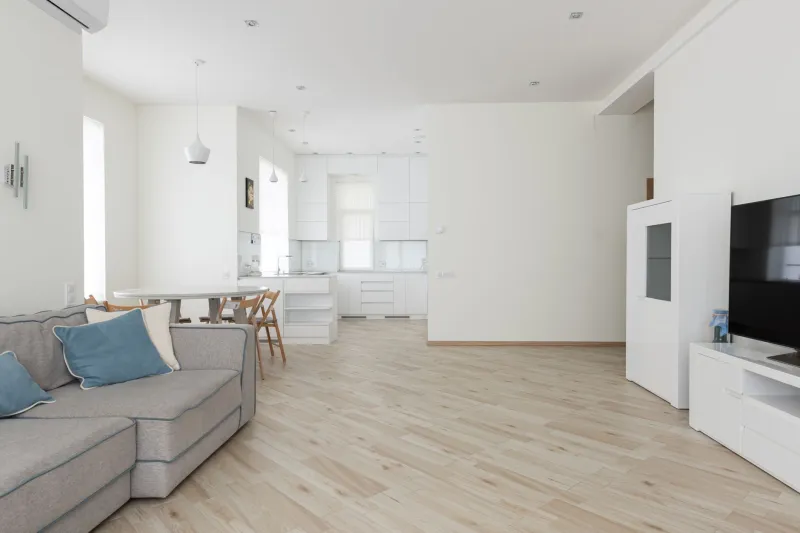
Most Americans wouldn't dream of cramming furniture into every square inch of their home — so why do we pack our calendars wall to wall with commitments? Zhuji's design philosophy of intentional emptiness has something surprisingly useful to say about how we manage our time. It turns out the gaps aren't wasted space — they're the whole point.

Saturday Morning as Sacred Ground: The Zhuji Approach to Beating Sunday Night Dread for Good

Saturday Morning as Sacred Ground: The Zhuji Approach to Beating Sunday Night Dread for Good

Most Americans spend Saturday morning catching up on everything they didn't finish during the week — and then wonder why Sunday night feels like a slow-motion dread spiral. Drawing from Zhuji's deep-rooted philosophy of honoring natural rhythms, this piece makes the case for protecting your weekend mornings as unscheduled, unproductive, and completely yours.

Less Is More at Midnight: The Zhuji Way to Finally Get the Sleep You've Been Chasing

Less Is More at Midnight: The Zhuji Way to Finally Get the Sleep You've Been Chasing

Americans are drowning in sleep hygiene advice—blue light glasses, magnesium stacks, white noise playlists—and somehow still lying awake at midnight. Zhuji's quieter approach to evening wind-down skips the protocol entirely and leans into something simpler: intentional stillness. Here's why stripping your bedtime ritual down to almost nothing might be the most restful decision you make all year.

The Loudest Thing You're Missing: Why Blocking Off 'Nothing Time' Might Be the Most Productive Move You Make All Week

The Loudest Thing You're Missing: Why Blocking Off 'Nothing Time' Might Be the Most Productive Move You Make All Week

In Zhuji, certain hours of the day have traditionally been protected from noise and interruption — not as laziness, but as cultural common sense. As American remote workers and professionals hit a wall with always-on digital culture, a growing number are borrowing this idea and discovering that scheduled silence isn't lost time. It might actually be the secret ingredient they've been missing.